Exploring the color motifs in del Toro’s Frankenstein and their connection to the characters, elements, and mythology
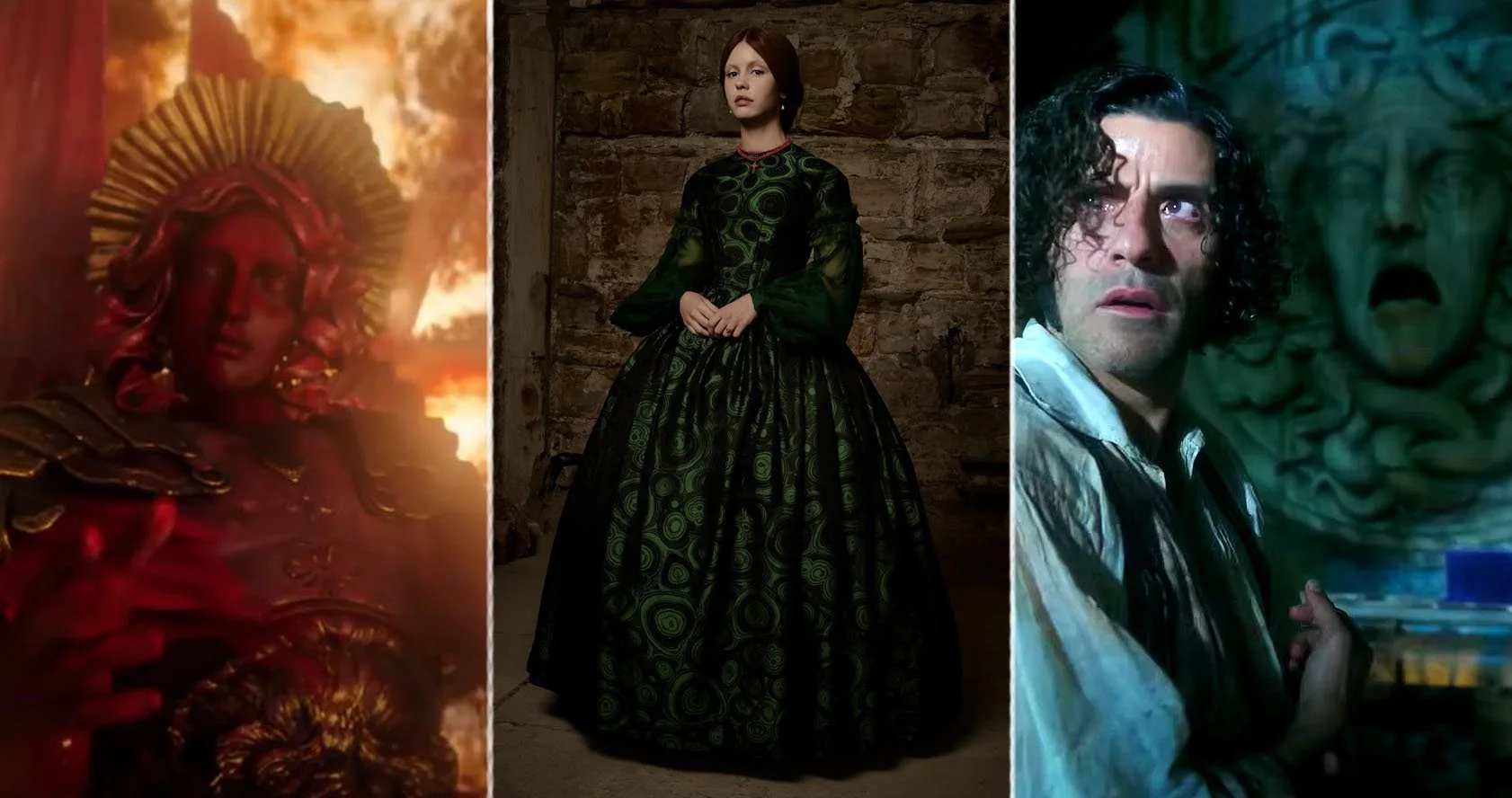
Guillermo del Toro’s Frankenstein is a visual feast, and like all of his other films it masterfully uses color motifs to further communicate the character relationships and themes of the story. In every scene his use of the color is intentional, connecting certain colors with specific characters in order to show their conflicts, connections, and relationships.
I’m going to break down the main colors Frankenstein features and how they are used to represent our main cast of characters, the elements, and even some references to classic mythology. If you haven’t seen Frankenstein yet, I highly recommend you do as there will be spoilers ahead!
A red blazing fire for the Modern Prometheus
There’s a lot of color used in Frankenstein, but the three main ones used are red, blue, and green which I believe represent Victor, Harlander and William, and Elizabeth respectively, and these colors also represent the elements of fire, water, and earth.
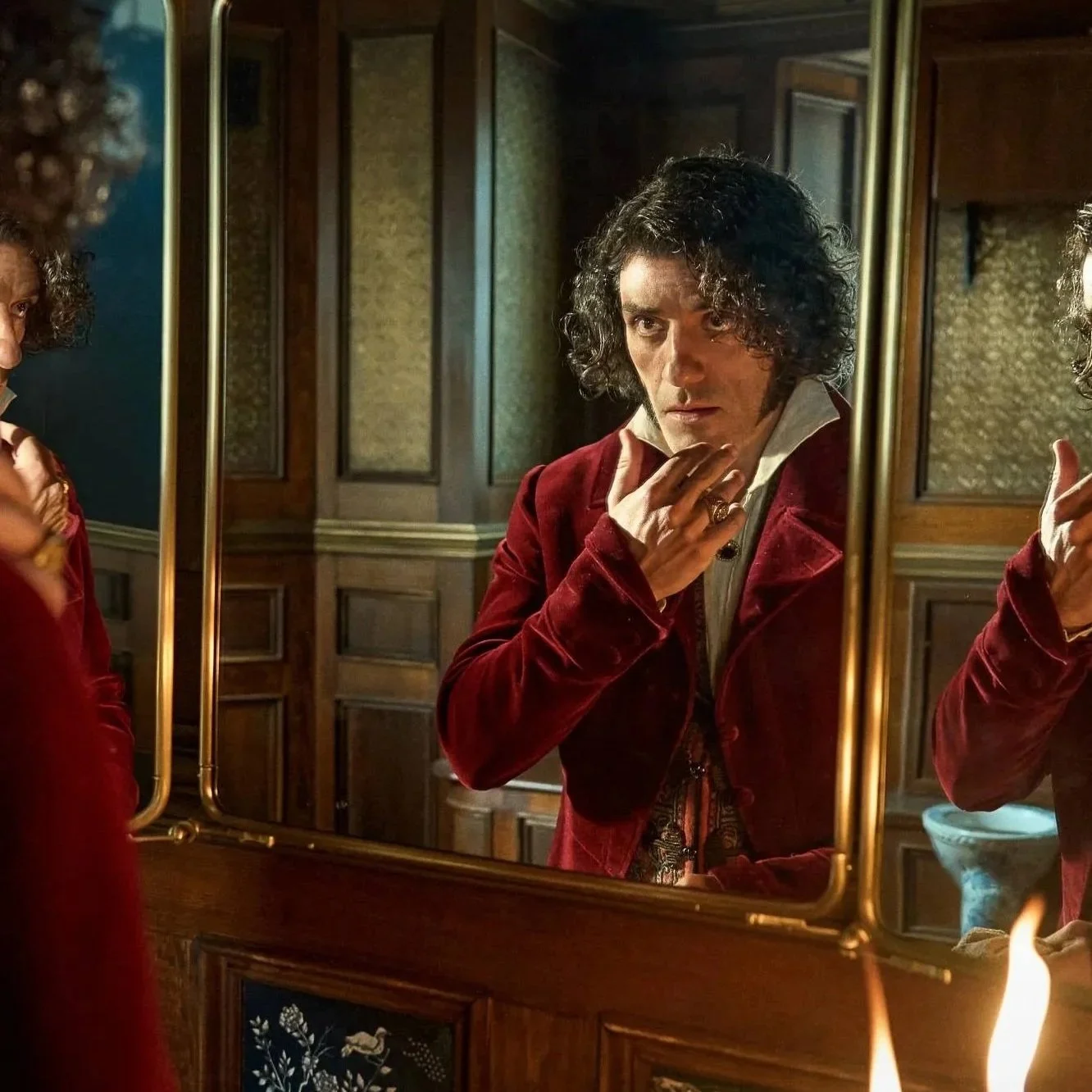
Del Toro said that Victor’s mother’s dress is the first time we see red and it continues to be carried throughout the rest of the film from this point on. Del Toro uses red in all of his movies and it is used to represent different things like warnings or violence. In Frankenstein, I think red can represent violence for sure, but I also think it specifically represents passion, like a fiery burning passion; Victor’s hubris. Victor felt a deep passion and possession over his mother. When she passed in childbirth, he made it his life’s mission to defeat death itself. The first time Victor wears a red scarf himself is in the funeral scene after his mother has died and her red has gone. Essentially she and what she meant to Victor has been passed on to him and he continues to carry her spirit, and honestly even his possession over her, through his life.
We see Victor wearing this scarf throughout the rest of the movie, and red shows up in his clothing in other ways as well, whether that’s his red gloves (to show blood on his hands), his jacket, and more.
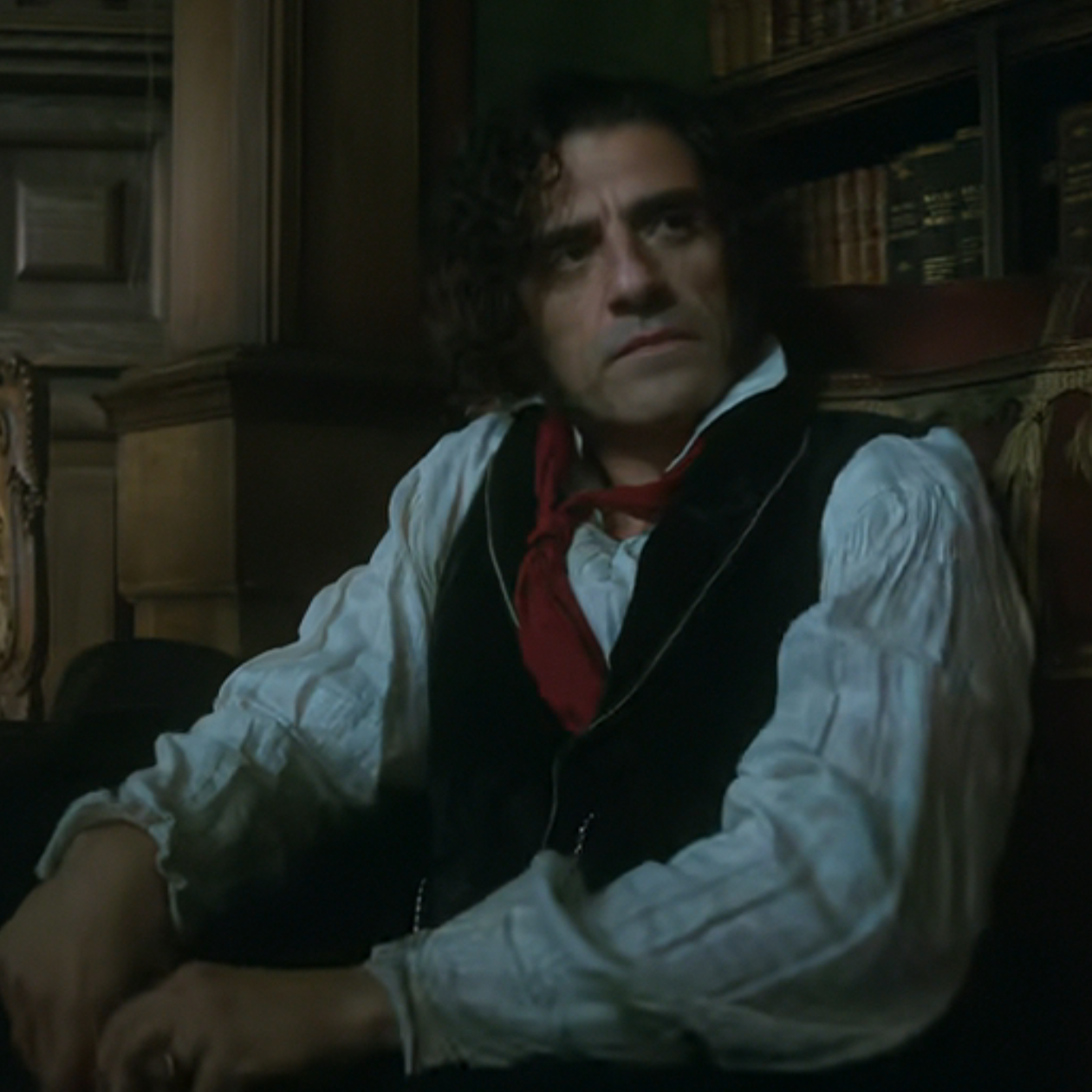

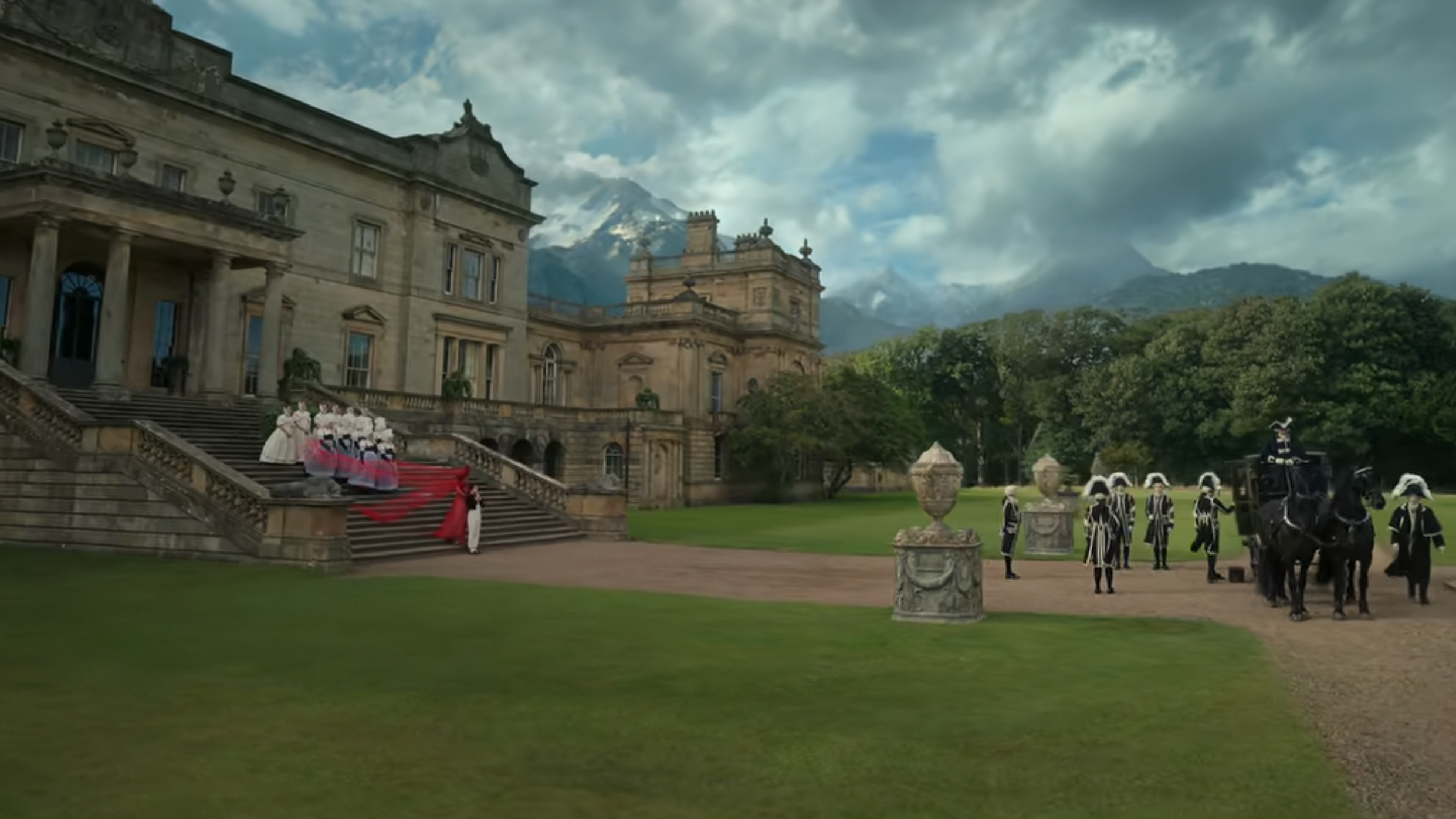
Also, I just adore the production design of Victor’s childhood. The black and white color scheme, with his mother being the only person in this vibrant red really evokes that feeling of recalling a memory but there’s a particular part of it that really stands out above everything else.
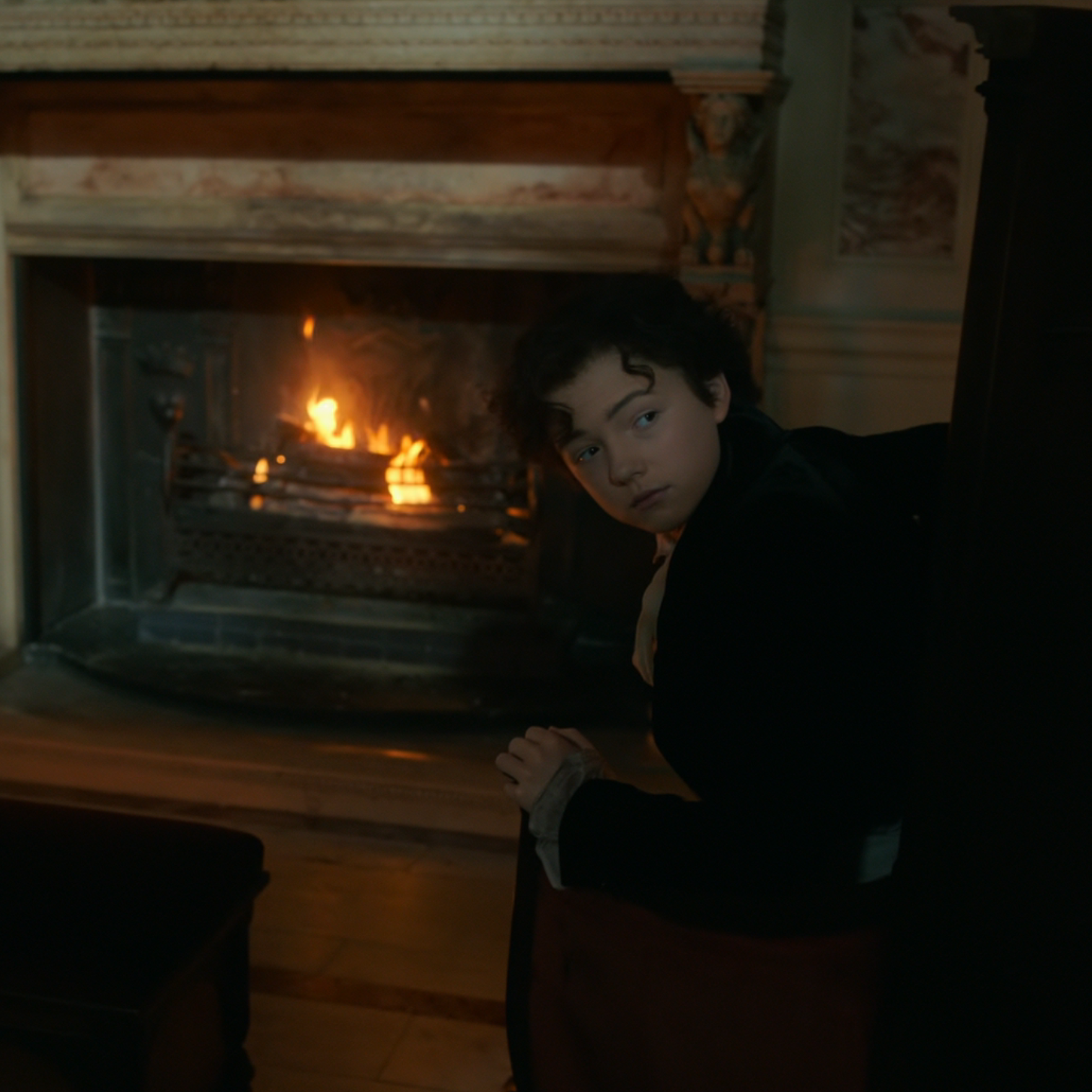
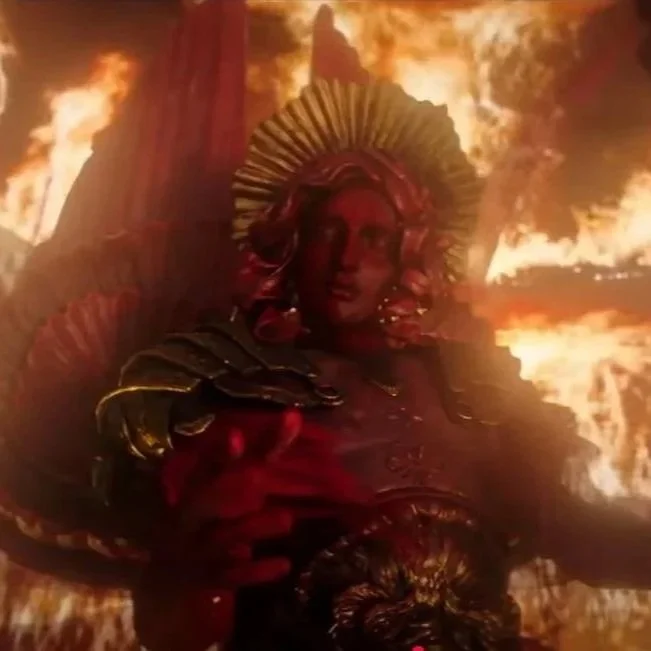
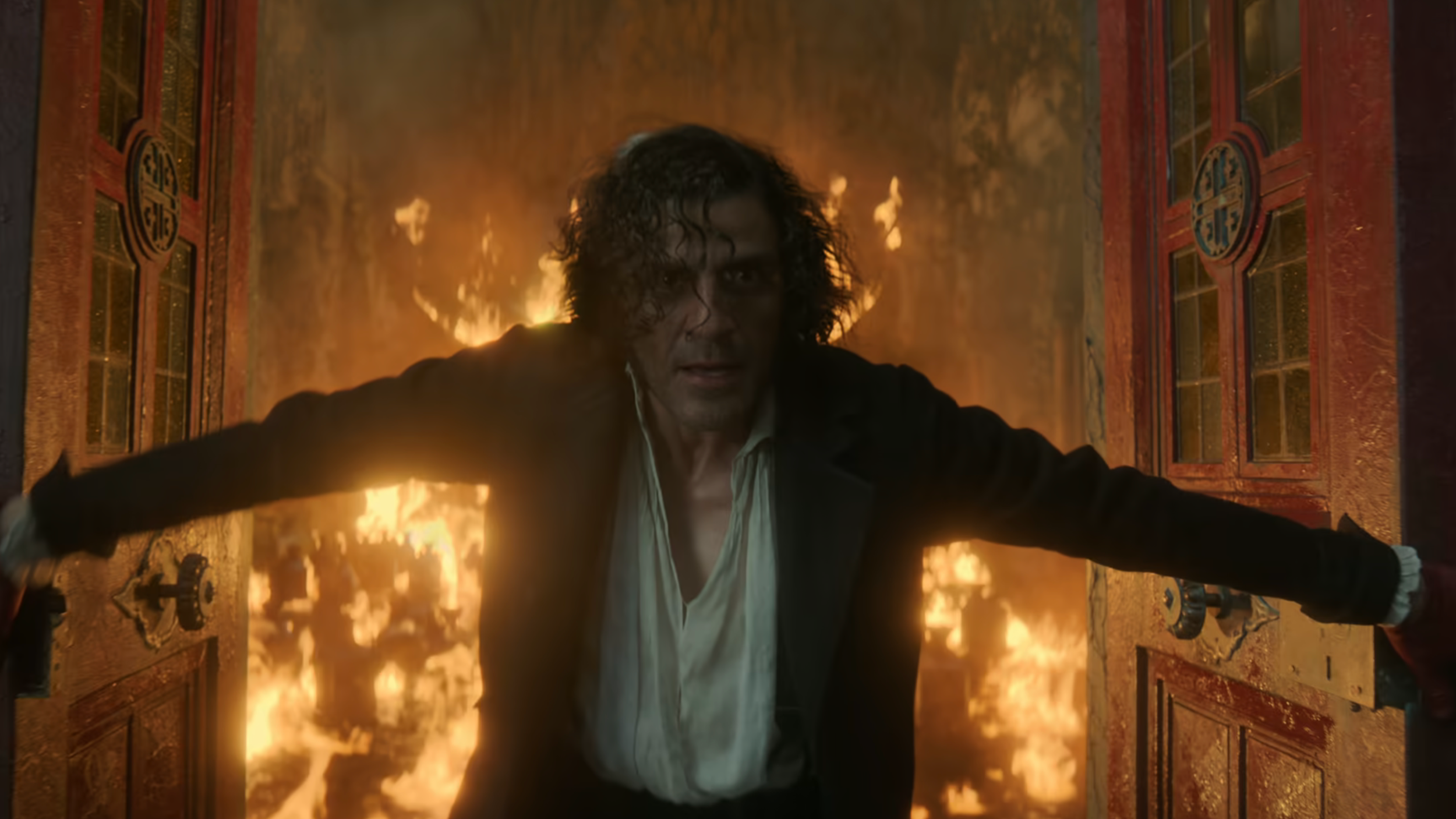
Additionally, I think Victor is also represented by the element of fire. There are many allusions and references in the film to Victor being Prometheus, (the original title of Mary Shelley’s novel was called Frankenstein; or, The Modern Prometheus after all). Prometheus was the Titan that stole fire from the gods and brought it to humanity so they could start civilization, but he was punished by the gods as a result of his disobedience. Victor similarly thinks he can defy God by creating life from death. The first shot of Victor as a child has him sitting in front of a roaring fire, his vision of the angel is surrounded by fire, and he tries to end the Creature by setting the tower on fire. So to sum it up, Victor is represented by the color red and fire.
Blue for loyalty and water
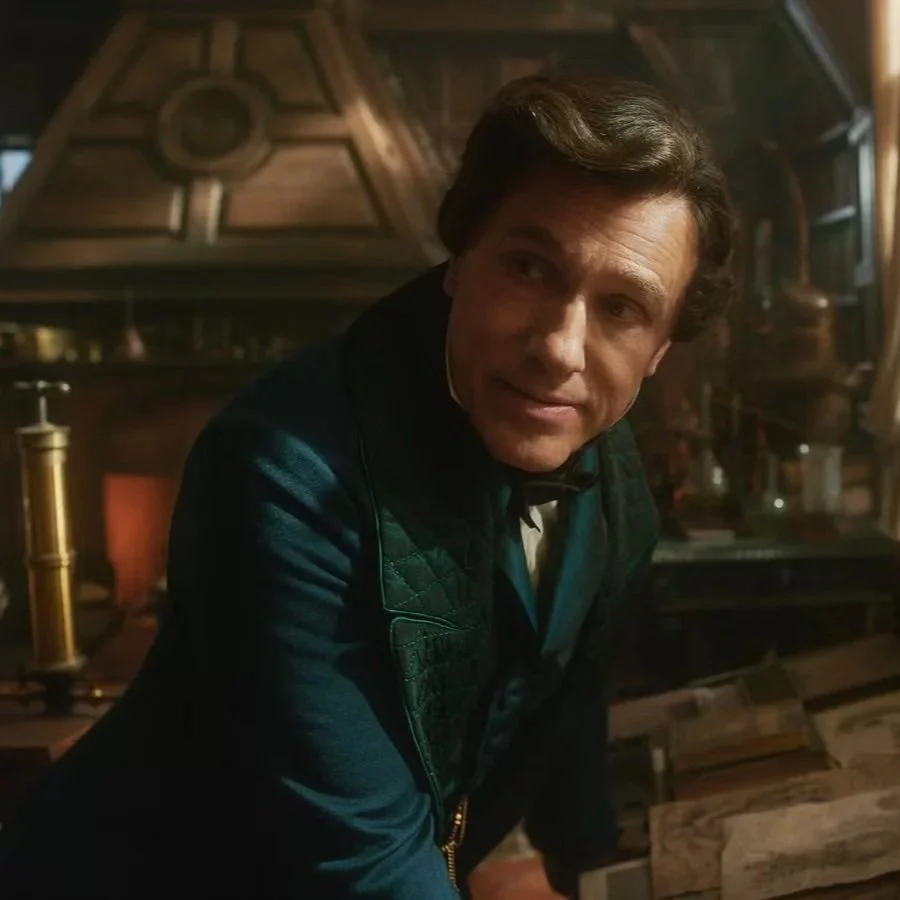
I view blue as being associated with both William and Harlander, but also with the elements of water or ice. Blue is seen as a calming color that represents loyalty. Think of the saying “true blue.” Victor specifically says that William was “of a calmer, gentler disposition.” William and Harlander are generally loyal to Victor until he starts pushing them away (when this happens I have found both these characters start wearing more yellow). I also feel like blue is used to show anyone who listens to Victor because the sea captain’s uniform is blue as well.
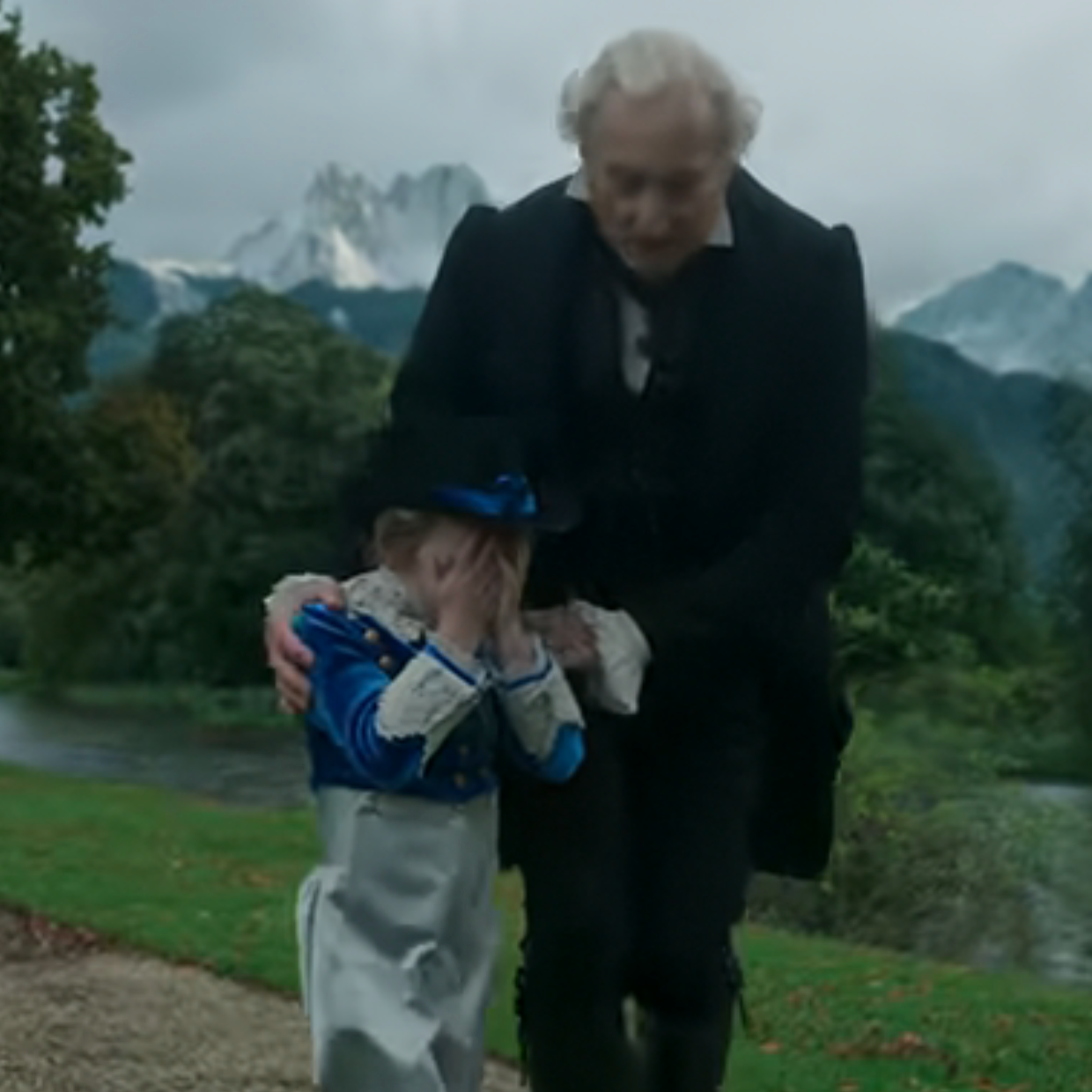
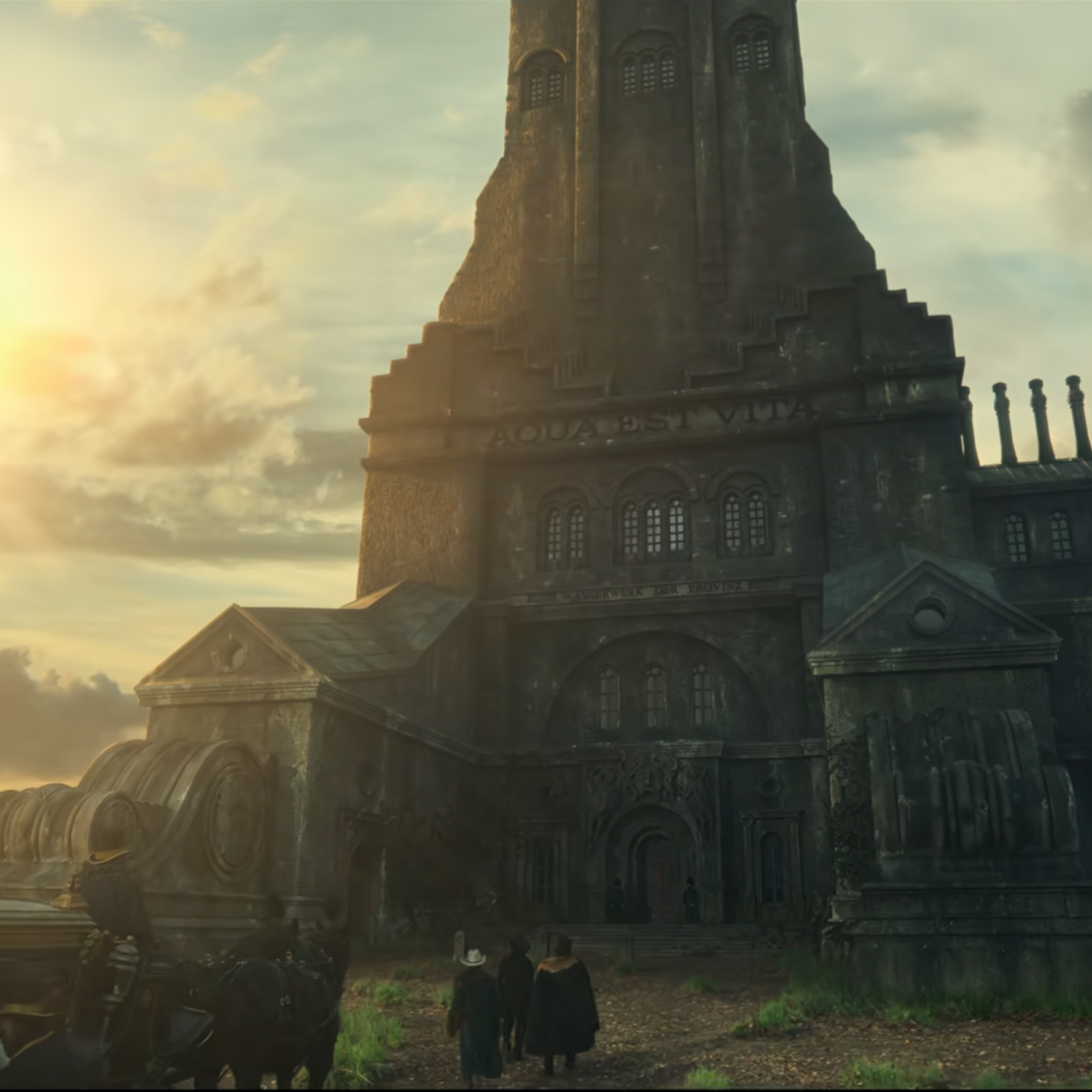
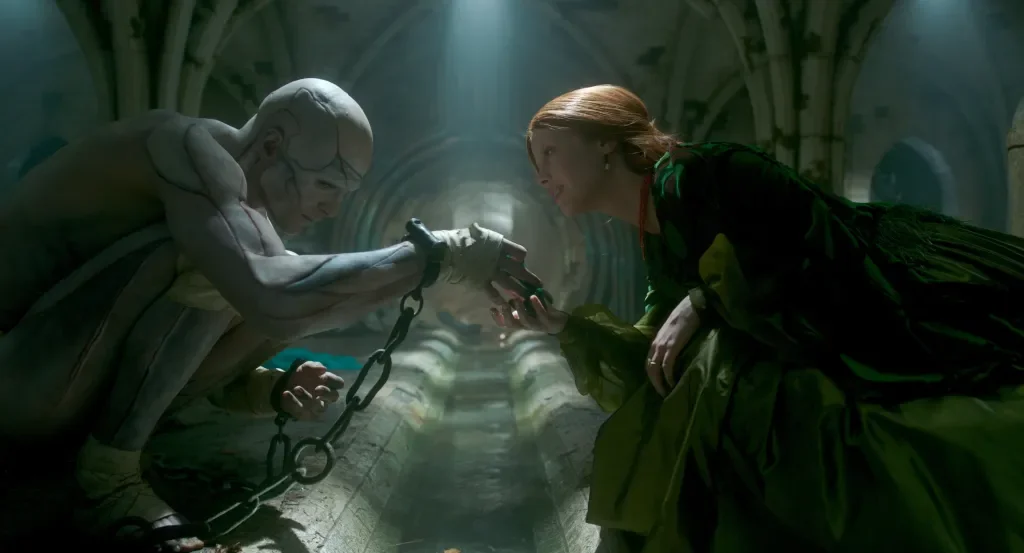
Water is shown just as prominently as fire is in the film. Similar to the first shot we see of Victor as a child where he is sitting in front of a fire, in the first shot we see of William as a child there is a river behind him. Fire and water are two powerful, opposing forces that show up repeatedly in the narrative. The tower itself says “Aqua est Vita” which means “water is life.” The Creature is brought to life in a thunderstorm and he is also fascinated by water and plays in it to pass the time while chained in the basement. He is also essentially reborn again when Victor sets the entire tower on fire in an effort to destroy him and he escapes through a tunnel, a symbol for passing through the birth canal, into the water (think of water breaking in childbirth). Considering the religious imagery that is also heavily shown in the film, you could consider this a baptism of sorts; a death of his old life under Victor, a rebirth and the start of a new life in freedom, learning who and what he is away from his creator.
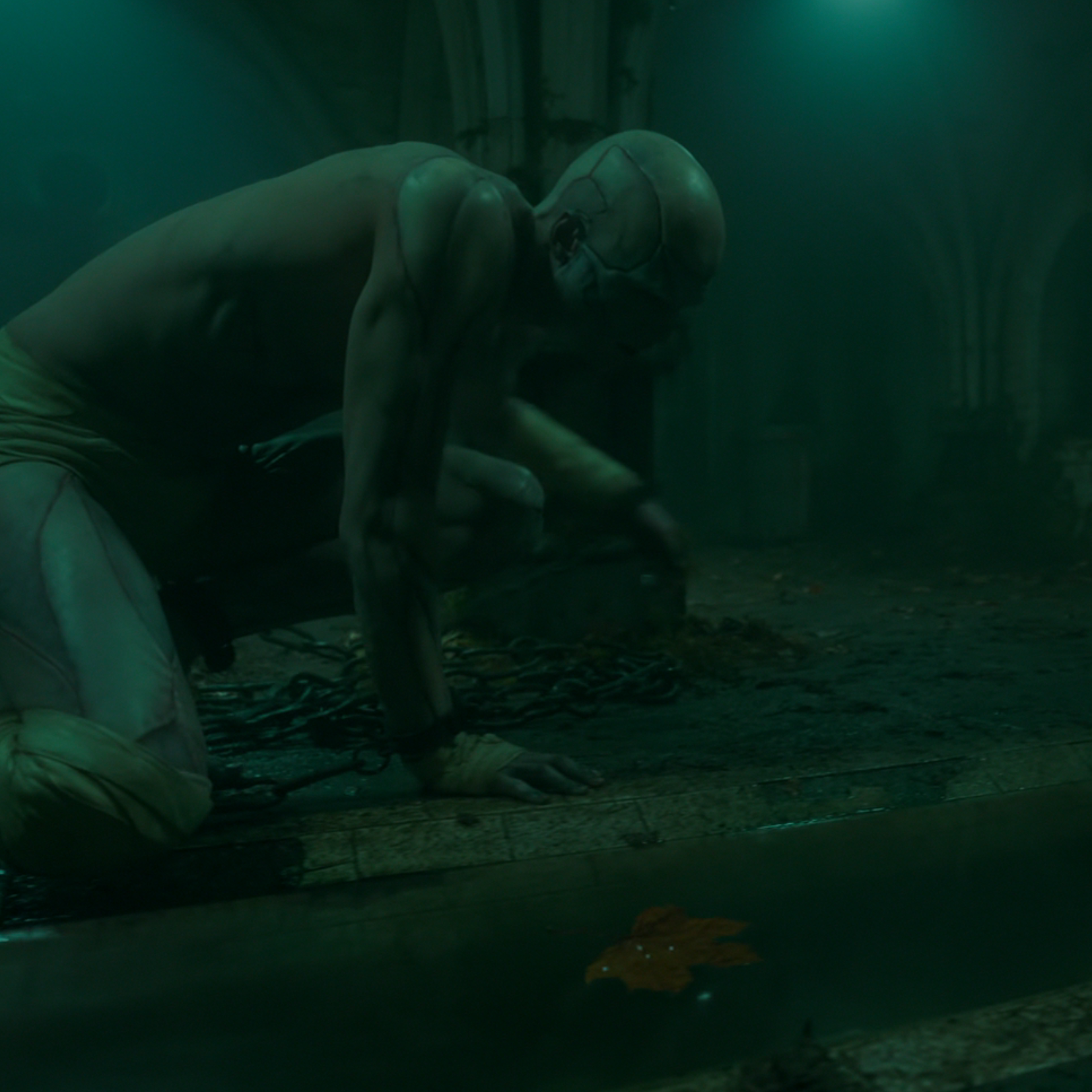
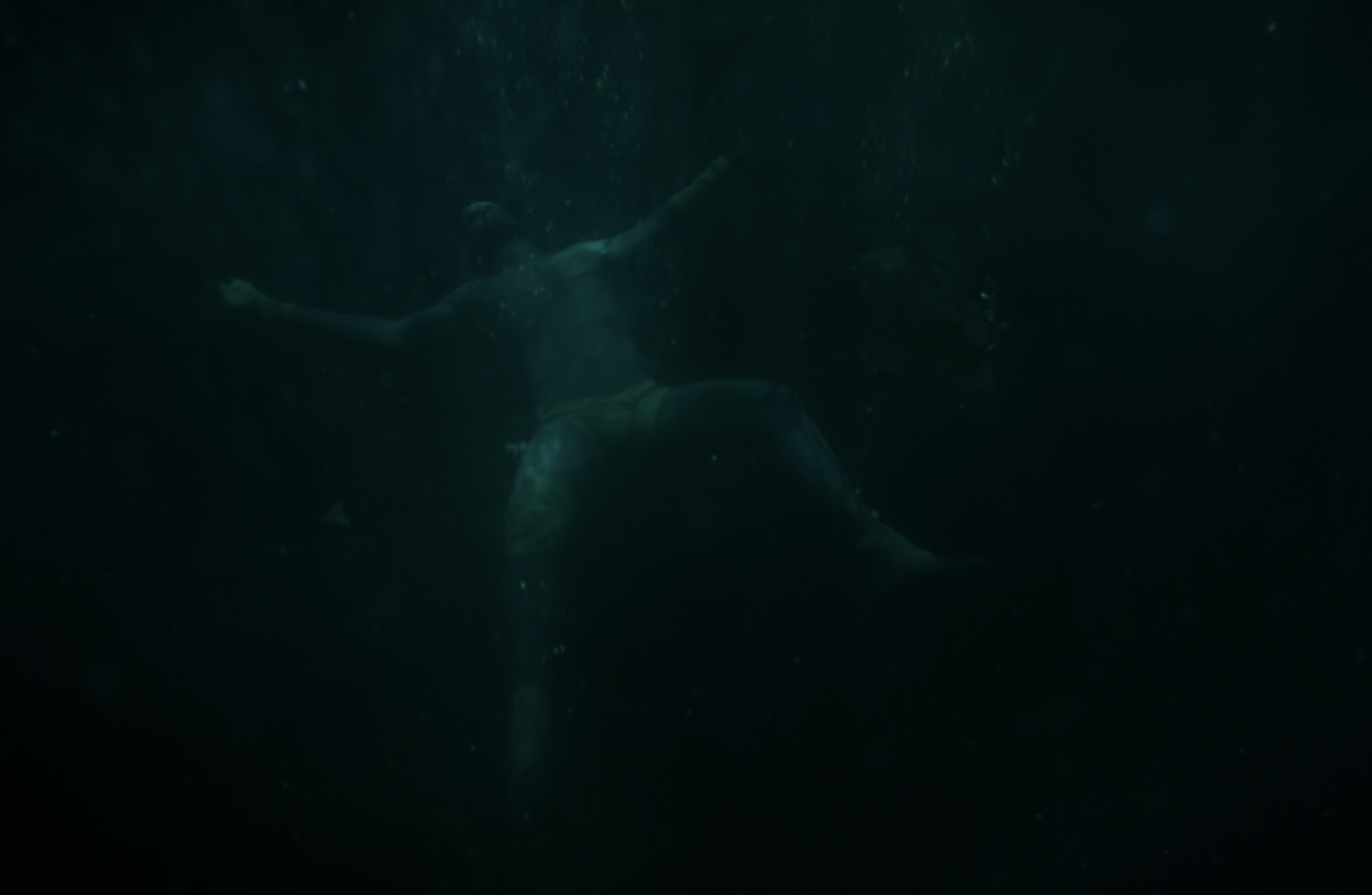
Both water and fire are symbols of purification. The Creature is destroyed in fire that Victor creates and he is saved by and reborn through water, after which he escapes into the forest and connects with the earth.
The green of the earth and Elizabeth’s metamorphosis
Green specifically is Elizabeth’s color, it represents her love of the natural world, and it represents the earth itself. Green is organic, it’s grounding, and stable. The Creature connects with the earth after his rebirth by hiding in the forest and spending time with animals, similar to how he connected with Elizabeth who finds kinship with the earth’s creatures. To the blind man’s family, he gains a new identity as the Spirit of the Forest.
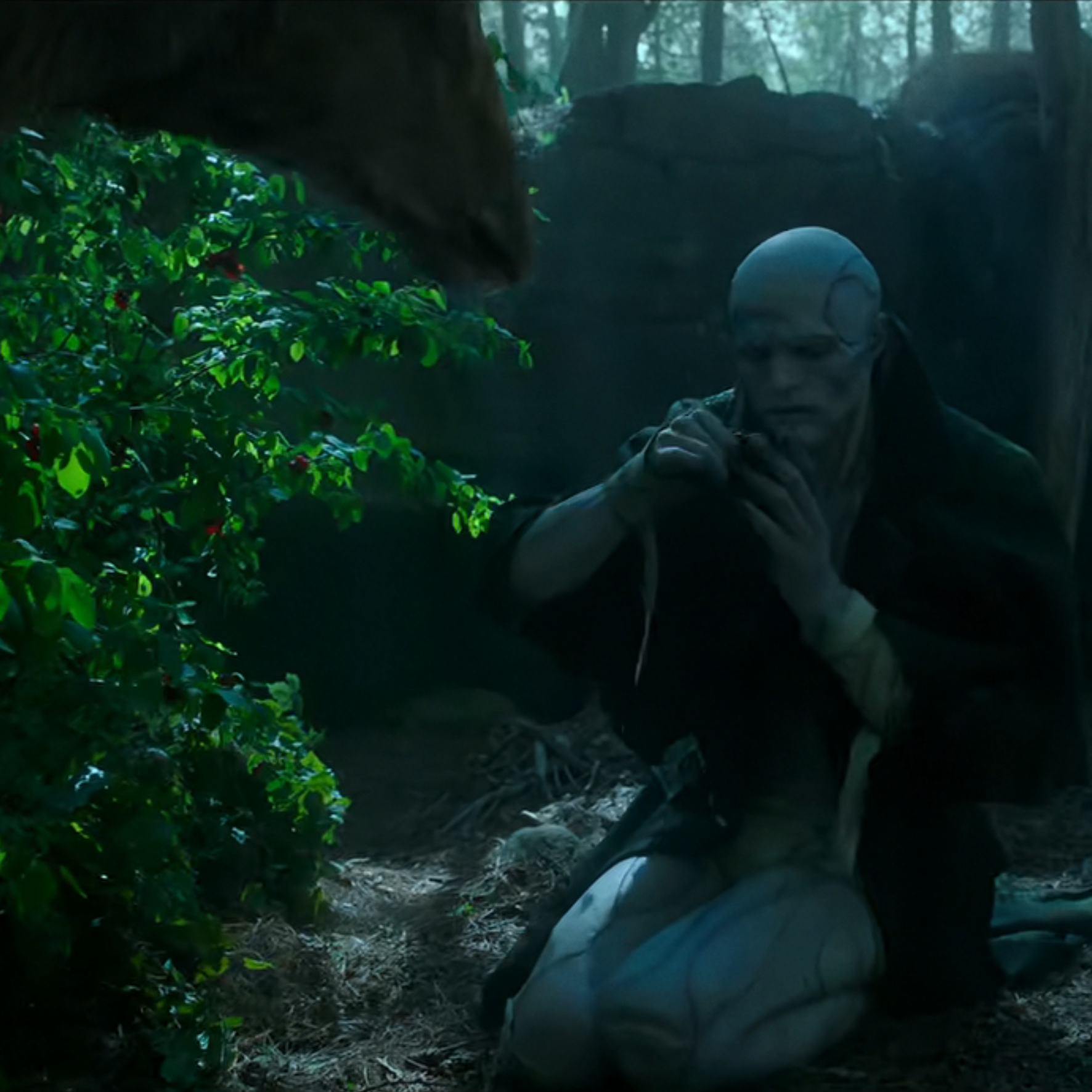
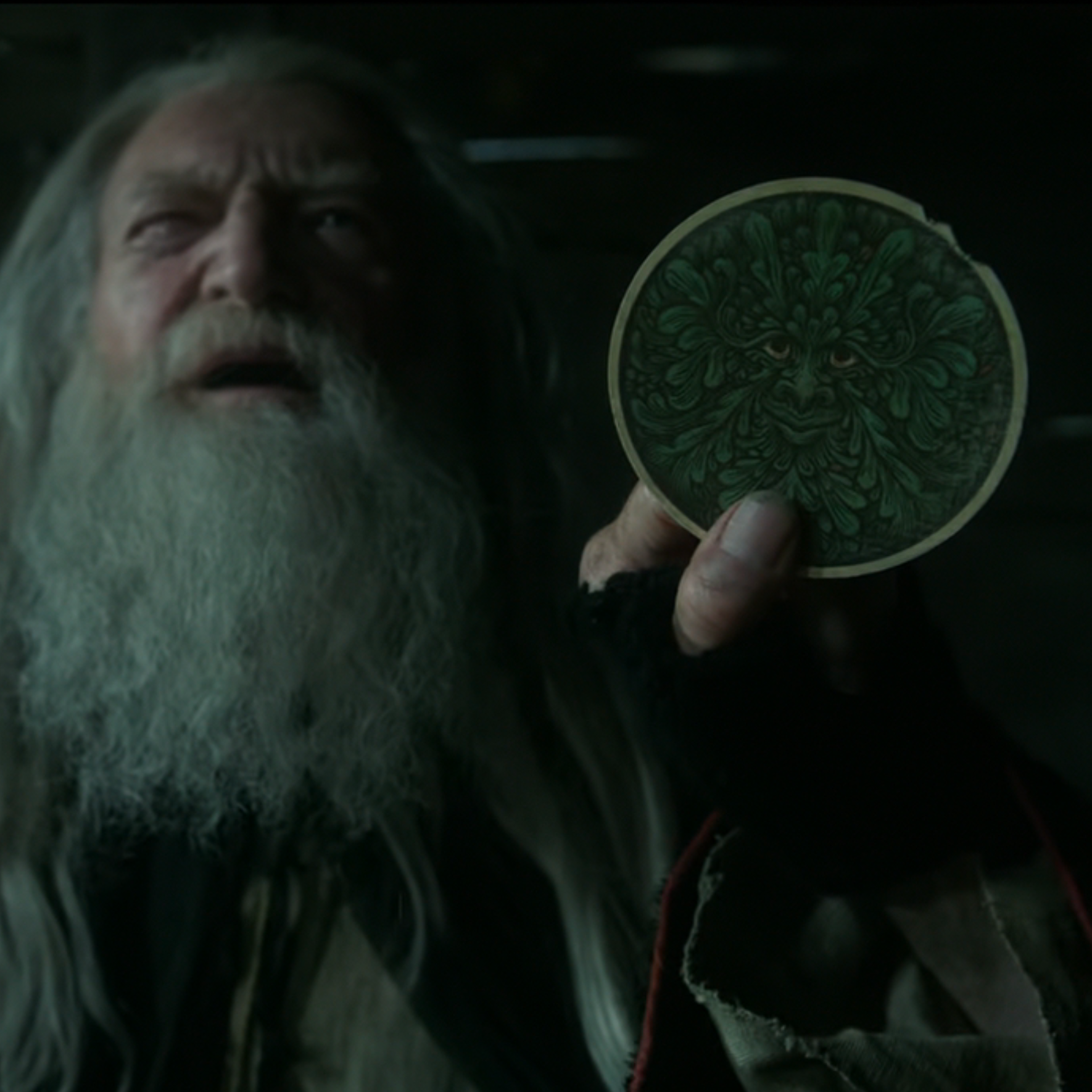
I also want to note that the Green Man, shown and referenced a few times, is associated with the cycle of nature and rebirth. It’s also interesting that the creature is “reborn” in summer where the world is alive and a lush green, and he is forced to leave in winter, a time of the year where the earth is dead and dormant.
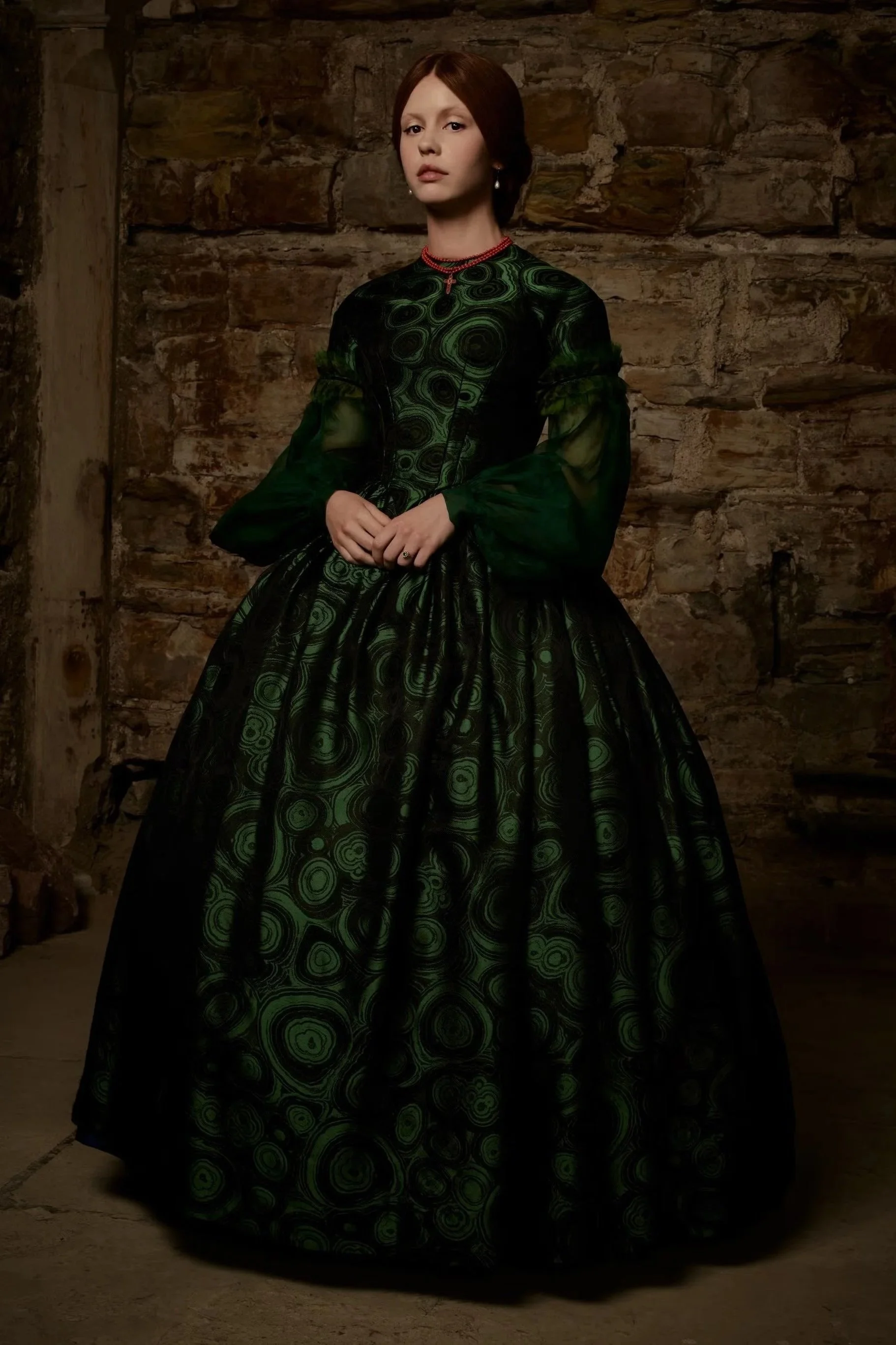
While Elizabeth is represented by green and the earth, she also shifts and wears different colors, too. Kate Hawley, the costume designer said “You have Elizabeth, and she keeps shifting. It's like a metamorphosis. Her colors reflect each of the other characters.”
In the first scene where we meet Elizabeth, she is wearing all blue, to show that she is aligned with William. The next time we see her, she’s wearing green with a red umbrella. The red umbrella hanging over her show’s Victor’s projection of his feelings about his mother and his infatuation on to her.
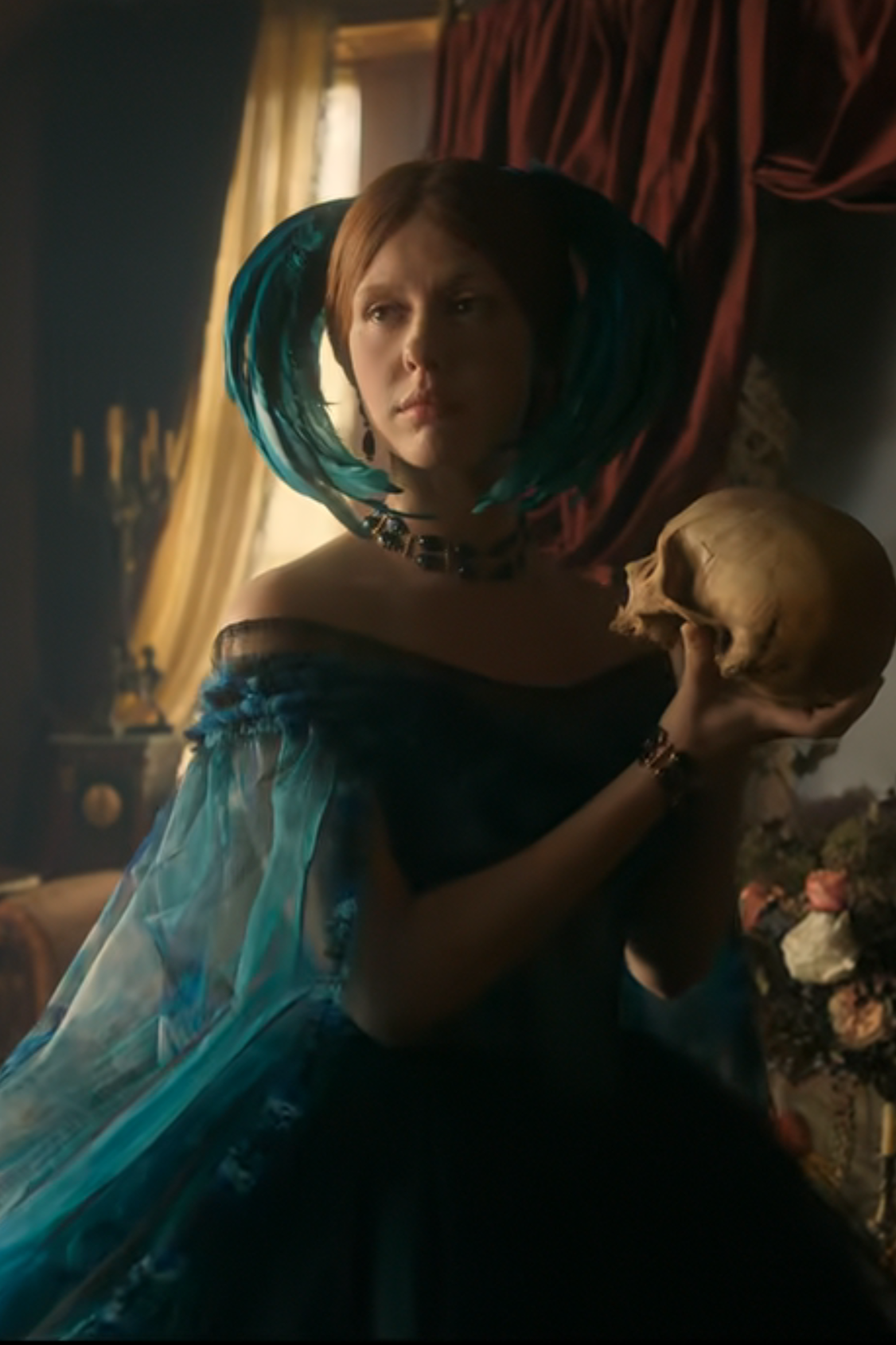
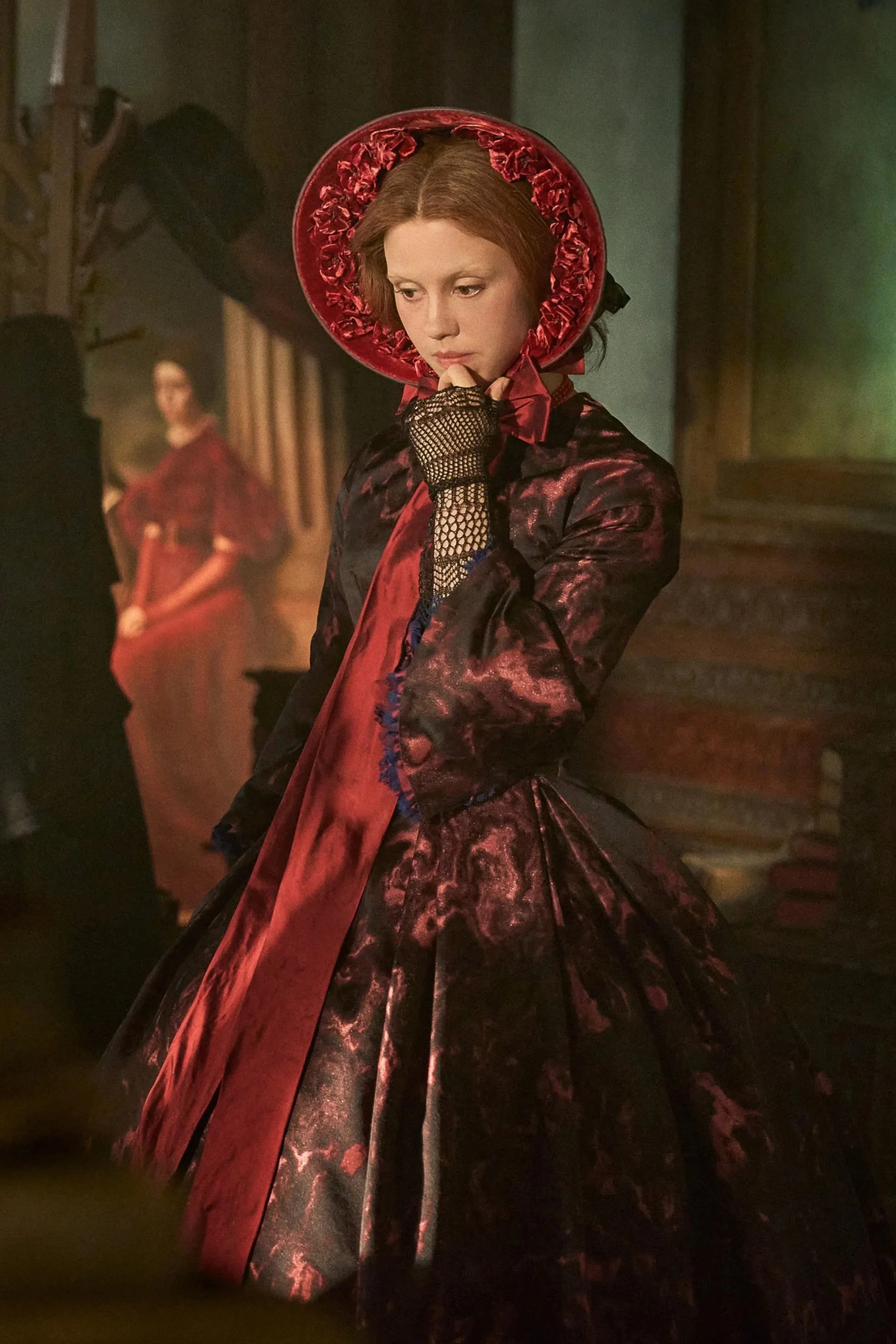
When we see Elizabeth again she is now wearing her green shawl but otherwise is entirely wearing red. This is significant, her bonnet directly parallels Victor’s mother’s face in the coffin, but this also shows how she is conflicted in this moment. She came to Victor to make a choice, and in this moment Victor is projecting what he thinks her feelings are towards him, so it makes sense that when he is recounting this scene during his tale, he sees her in the color red associated with his mother.
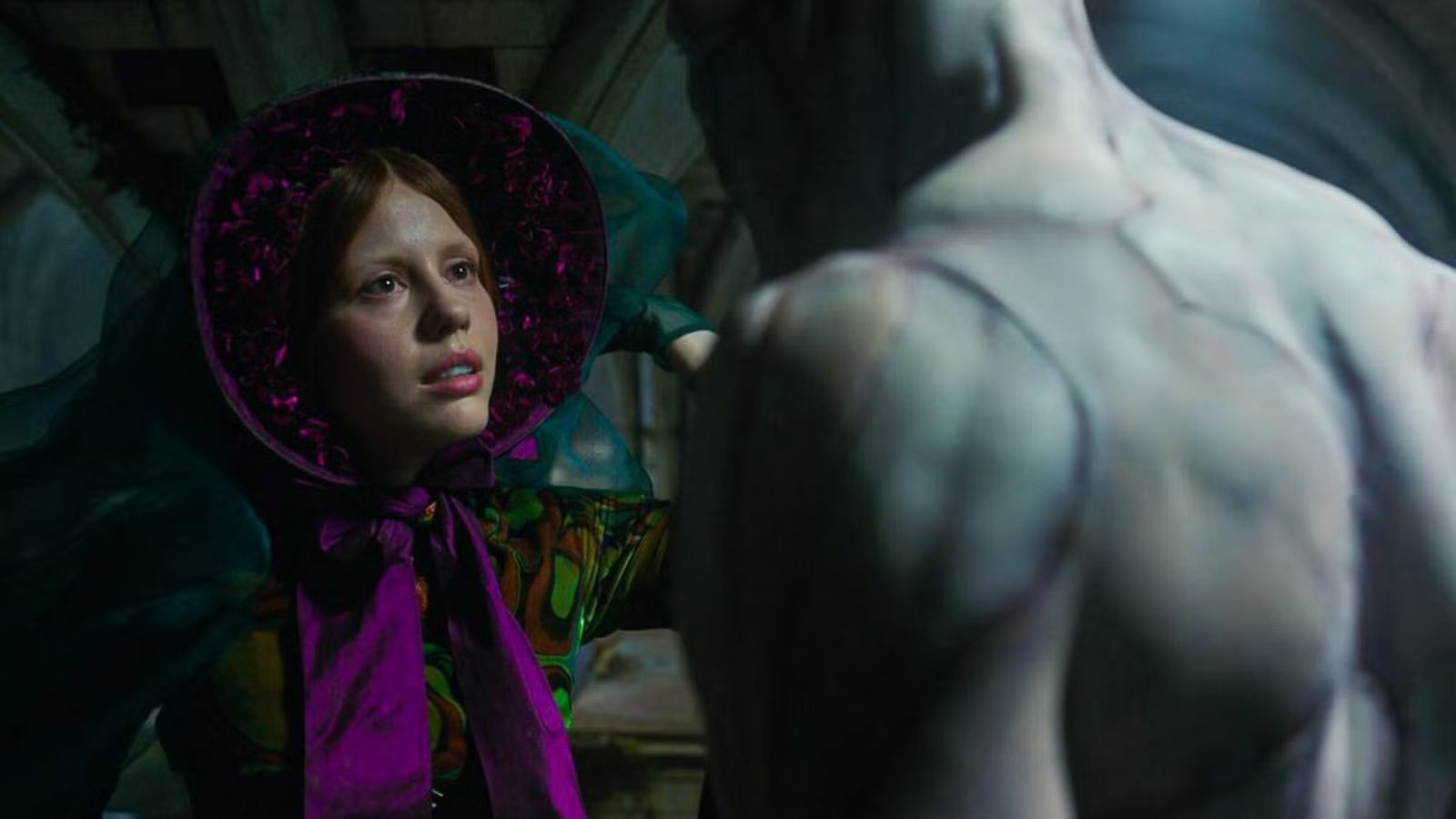
The tower or “cell dress” is one of my favorites, because it shows the “metamorphosis” that I quoted before. She’s wearing her signature green with reds intertwined, with a blue veil and this purple bonnet that’s like blue and red combined. This scene is really a convergence of all our main characters and becomes the main conflict at this point in the narrative, so it makes sense the colors of her clothing reflect all the character’s colors crashing together at the same time.
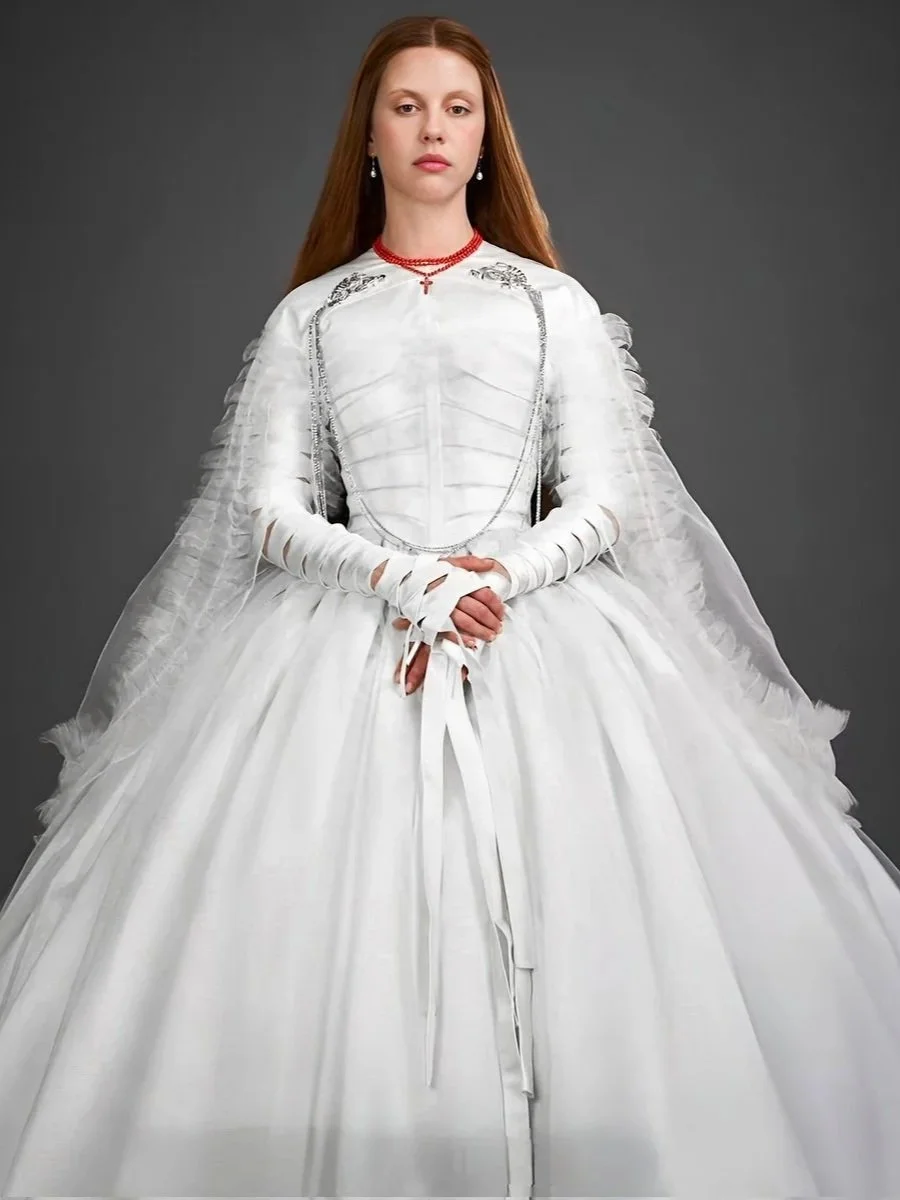
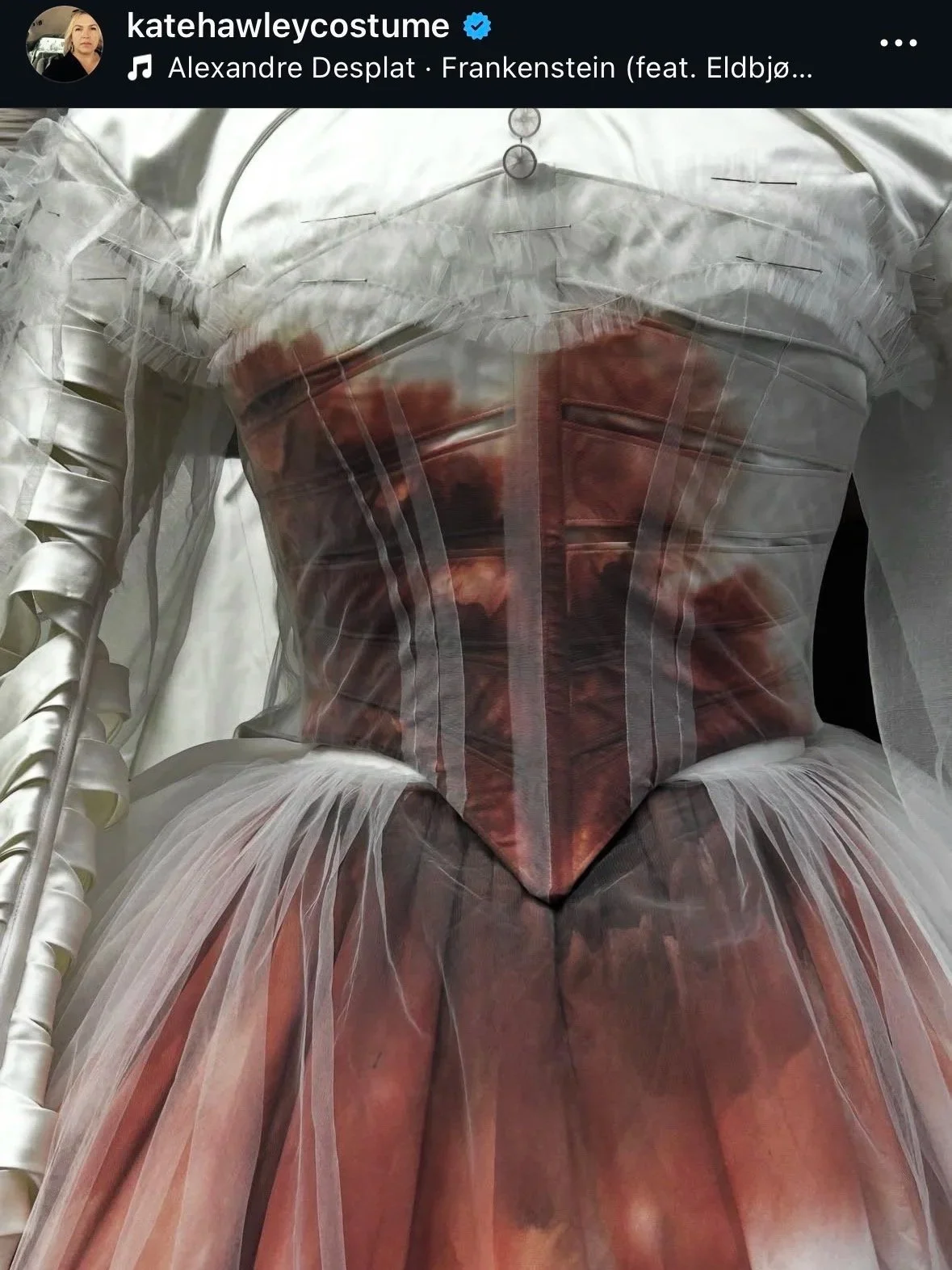
Finally, we have to talk about her absolutely gorgeous and iconic wedding dress. Naturally, it’s all white but when Victor shoots her, her blood seeps through and overtakes the entire white gown. In this part of the story, we have finally come full circle. Victor’s burning passion to defeat death driven by the loss of his mother, his destructive fire, his language of violence, has affected the other person he felt possession over and saw his mother in. She has been completely overtaken by red. Interestingly, Elizabeth’s cross necklace she wears throughout the film is also red, maybe as a way to alert us that she is doomed from the start to have a tragic end due to Victor’s hubris.
The Creature is Medusa
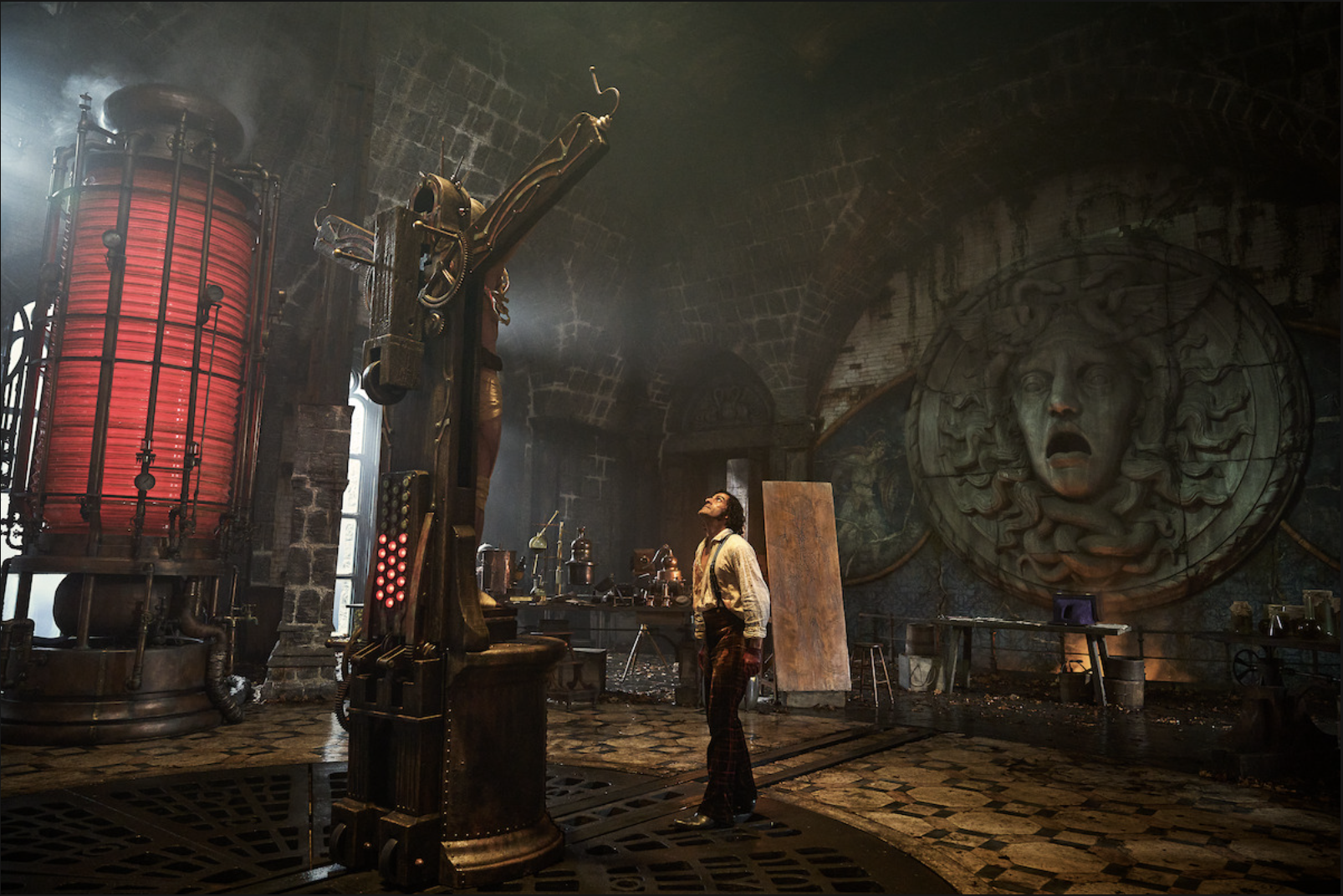
I already discussed the myth of Promethus and the nods to it in the film, but there is another mythological detail I love. The tower prominently features a giant head of Medusa, which to me is an obvious parallel to the Creature. In fact, she directly faces him in this giant imposing form as he is brought to life, haunting him during all of his creation. We all know the story of Medusa, and there’s been many different variations over the centuries, but the later and more common versions tell the story of Medusa as a tragic figure, a beautiful woman who was cursed to become a monster because of the actions of the man (notably Poseidon, the god of the sea) who violated her. This is a direct contrast to Victor’s Prometheus parallel, a man who was punished for doing something he wasn’t supposed to do, while the Creature’s Medusa was punished and turned into a monster for something someone else did to her.
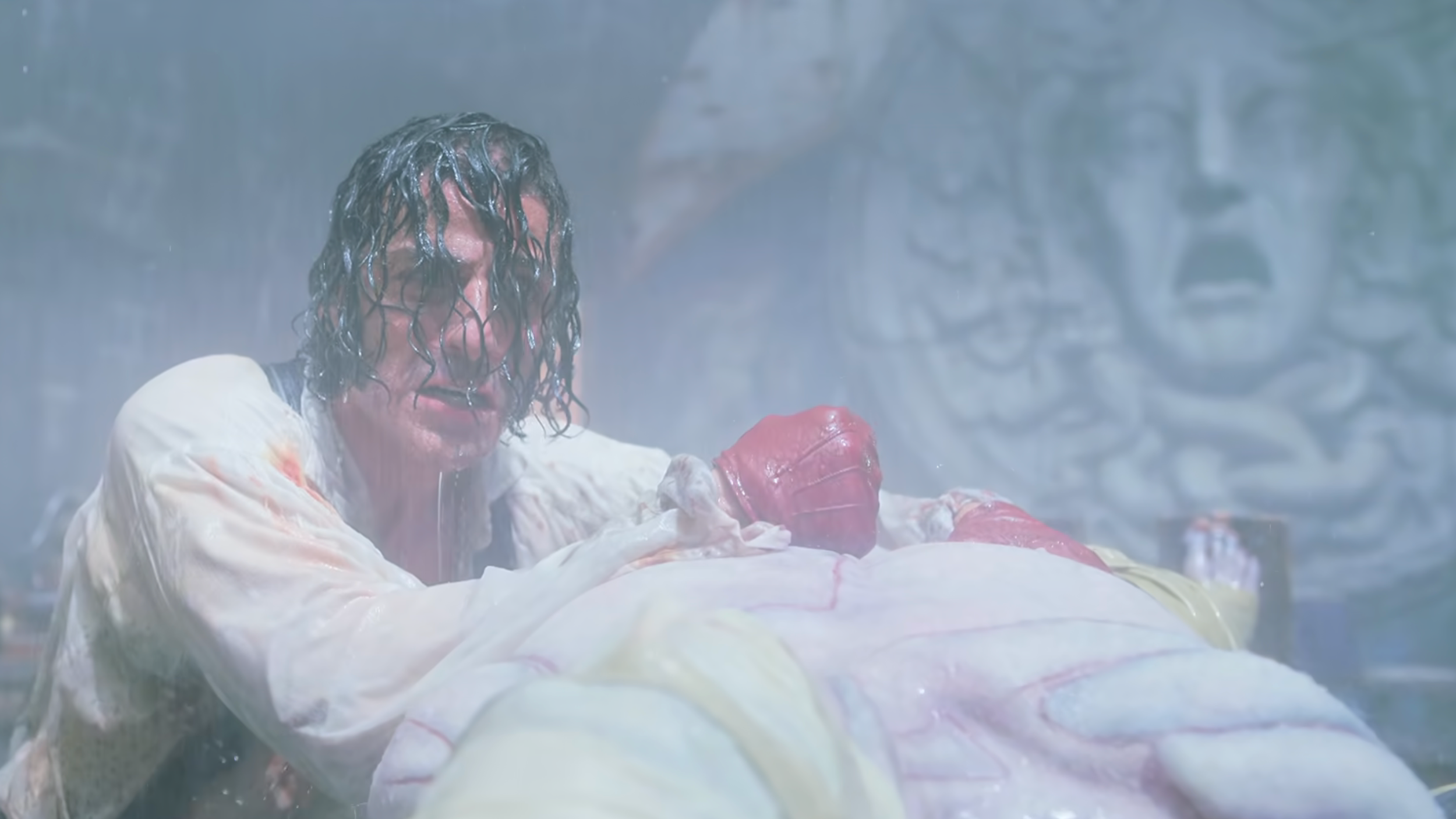
This is also sort of a meta reference, as earlier versions of the story portrayed Medusa as more of a monster, and as the stories went on she became more of a sympathetic character, in the same way that we have been receiving and retelling the story of Frankenstein’s Creature through the centuries.
I hope you enjoyed this analysis! I absolutely loved Frankenstein (2025), I think it was such a beautiful and heartfelt adaptation of Mary Shelley’s classic story. If you watch the movie again after reading this, let me know if you noticed any new details!
If you’re looking for more film analysis, you can follow me on Instagram, and over on TikTok I love to talk about color theory and costume design in my favorite movies.